Corporate Governance
ERGO places great value on good corporate governance and an effective compliance system. Find out here how ERGO adheres to statutory and company regulations and minimises risks.
Overcoming Your Inner Couch Potato: Simple Steps for a Healthier Life
Expert tips from Professor Ingo Froböse and psychologist Sarah Siepelmeyer on building healthy routines for everyday life
In this interview, Professor Ingo Froböse and psychologist Sarah Siepelmeyer discuss the biggest obstacles to a healthy lifestyle. They explain why our inner couch potato often holds us back – and how small steps, social support, and digital tools can help establish healthy routines in everyday life.
"How healthy is Germany?" What are the most important findings from the latest DKV report?
Froböse: I am indeed very concerned that the situation in Germany is becoming increasingly serious. The challenges that can be summarised under the heading "lack of exercise" are particularly striking. We have developed into a stressed, sedentary society, we exercise far too little, and our diet is often unhealthy. This puts a lot of strain on our bodies!
Let's take a look at a specific finding from the DKV report that illustrates the dramatic situation: on average, we spend around 10 hours a day sitting down, with the younger generation sitting even longer. On average, we only get around 75 minutes of sufficiently intensive exercise per week, whereas the World Health Organisation (WHO) recommends at least twice that amount – 150 minutes – to reap any health benefits at all!
This lack of physical activity often goes hand in hand with mental overload. Many people report precisely these challenges: an imbalance that can lead to significant mental health problems in the long term. When there is no outlet for stress relief, and unhealthy eating, smoking and alcohol consumption are added to the mix, it becomes clear that the state of health in Germany is not good. This is also confirmed by the findings of the latest DKV report.
Germans are stressed and get annoyed about it while sitting down!
Why is healthy behaviour with exercise and a good diet so difficult for many people? At the beginning of the year, the gyms are full, but after Carnival, motivation wanes.
Froböse: It is undeniable that we all know we should get active. Nevertheless, our weaker self often has a stronger than influence on us . This is often because we not set clear resolutions , do not define specific goals or sometimes even strive for unrealistically high goals. These factors contribute to our weaker self preventing us from putting our plans into action.
For example, goals such as "I want to run a marathon in a year" or "I want to lose 20 kilograms" are often too ambitious. Instead, motivation research recommends setting 1 smaller, achievable goals that can be realised within about six weeks. These goals should then be achieved after six to eight weeks.
However, it is important to emphasise that personal responsibility plays a central role. Each of us is responsible for our own decisions and we cannot wait for others to take care of our health. Of course, it is crucial that the state and political institutions create suitable conditions, but ultimately it is up to us to recognise and seize these opportunities.
Where does this weaker self come from? What are the biggest obstacles and how can I overcome them?
Siepelmeyer: The "weaker self" is an evolutionary protection programme – it wants to save energy, avoid risks and stick to what is familiar and tried and tested.
As I said, the key usually lies in small, achievable steps: so-called micro actions. A micro action is a small, consciously chosen action that is so easy to implement that it requires little effort – and yet can have a big effect in the long term. For example, if you plan a 10- minute walk every morning, you are laying the foundation for lasting change. A clear plan also helps – preferably in writing.
Structure is the strongest opponent of excuses because it takes decisions out of our hands. The more clearly our everyday life is organised, the less room there is for negotiating with our weaker self!
How long does it take for new routines to become established and for you to stop fighting your weaker self? What feeds it, and what is a good antidote?
Siepelmeyer: Changing behaviour takes time. Studies show that it takes between 21 and 66 days for new routines to become automatic. The key is not perfection, but consistency. Your weaker self is particularly vocal when you are tired, stressed or overwhelmed. Its favourite food is chaos. An effective antidote? A plan, fixed times for new habits and social support – for example, through programmes that provide regular, long-term reminders, motivation and support.
Can digital tools help? And if so, how and which ones?
Siepelmeyer: Yes – digital tools can be a real game changer if they are chosen wisely and used sensibly. They help to make progress visible, set reminders and provide positive feedback. The important thing is that they fit into everyday life. Health programmes that incorporate both mental and physical data and are easy to use via an app make it easier to maintain healthy routines in everyday life. It is crucial that they offer intuitive support – not additional pressure. A clear structure and personal relevance support the long-term integration of healthy routines.
How important is self-reflection in establishing healthy routines – and how can it be achieved in everyday life?
Siepelmeyer: Sustainable behavioural changes require a deep understanding of why we act or don't act. Self-reflection is the key to this clarity because it helps us recognise our needs, triggers and patterns. It enables us to switch from autopilot to active mode.
Just a few minutes a day can have a big impact. Questions such as "What did me good today?" or "What drained my energy?" encourage mindful action. Journaling can help to structure mental processes. Writing is a powerful tool that enables us to be honest with ourselves.
They always say that you are the average of the five people you spend the most time with. Is that true? How can I use this to my advantage?
Froböse: Promoting your own intrinsic motivation is important, but interaction with others is indeed a valuable source of motivation and often has an even stronger influence. Joint sporting activities not only increase fun, but also help us to pursue our goals more consistently. Responsibility towards others motivates us to stay active and make progress, especially in challenging phases.
We also benefit from the experience and knowledge of others. Friends who enjoy exercise can provide valuable inspiration and act as role models. Training together promotes team spirit and makes exercise a social experience.
In summary: The combination of personal responsibility and social support from sports communities is a sustainable strategy for overcoming inner resistance. Interacting with like-minded people can make a decisive difference and motivate us in the long term.
What can employers do to promote employee health?
Froböse: Employers have great options to contribute to the health of their employees – this is not only a legal requirement, but above all a real asset! Workplace health promotion should be firmly anchored in everyday company life.
Targeted incentives for healthy behaviour can create additional motivation, for example through specific health programmes, small rewards, recognition within the team or benefits in everyday working life. In addition, health topics should be integrated before, during and after working hours – whether through rental bikes for commuting or healthy lunches.
Health promotion in the workplace is therefore not only a mandatory task, but also a valuable opportunity to create a corporate culture that enhances well-being and promotes long-term performance.
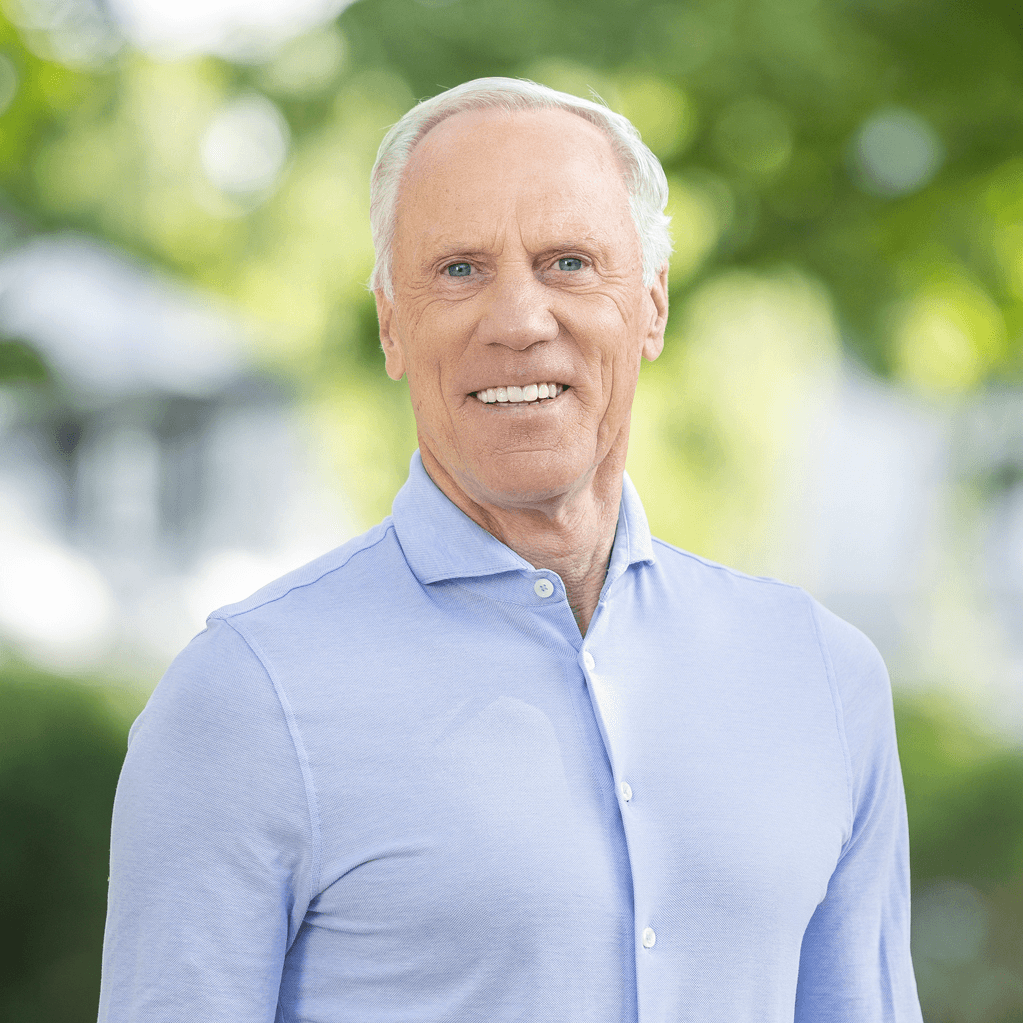
Prof. Ingo Froböse
Prof. Ingo Froböse is a university professor of prevention and rehabilitation in sport at the German Sport University Cologne and scientific director of the Research Institute for Training in Prevention (FIT-Prävention). He advises Bundestag committees and health insurance companies on health care issues and is a recognised expert in exercise-related prevention research. He is also a best-selling author, a frequently sought-after expert in the media and a member of various scientific advisory boards.
Sarah M. Siepelmeyer
Sarah Sieplmeyer is a psychologist, author and founder of Gesunde Impulse (supported as part of the long-term restructuring of the healthcare system). As a doctoral student at the German Sport University Cologne, she developed the programme for exercise-based health promotion in combination with behavioural psychology prevention. Gesunde Impulse is particularly suitable for people with stressful everyday lives, sedentary jobs and employees who travel a lot for work.
Your opinion If you would like to share your opinion on this topic with us, please send us a message to: radar@ergo.de
How healthy is Germany?
DKV-Report 2025
More on the topics of health and exercise can be found in the current DKV-Report.